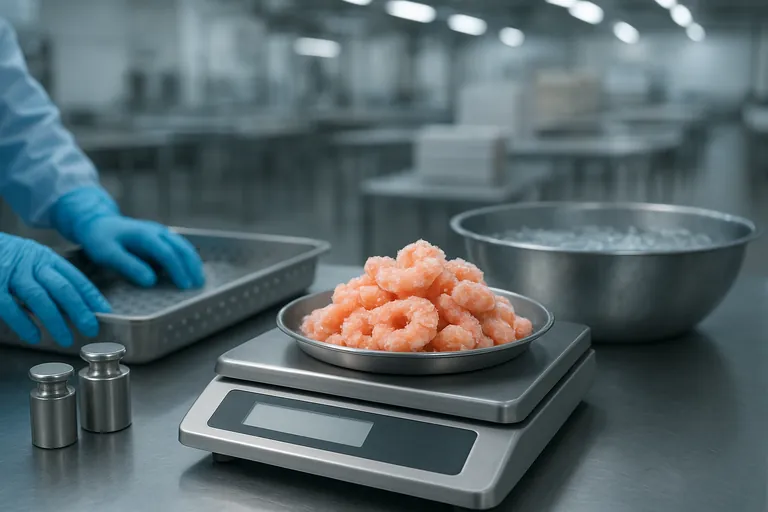
An audit-ready, step-by-step SQF histamine control program tailored to Indonesian tuna, mackerel and related species. How to define lots, set a CCP at receiving, choose AOAC-validated kits, meet both FDA (50 mg/kg) and EU 2073/2005 (9-sample) limits, and keep the exact records auditors ask for.
Indonesian Seafood SQF Certification: 2025 Essential Guide
We’ve built and audited histamine programs for Indonesian tuna, mackerel and wahoo plants for years. The best programs look simple on paper and brutal in discipline. This guide is the exact structure we use to keep Yellowfin Saku (Sushi Grade), Bigeye Steak, Wahoo Portion (IQF / IVP / IWP) and Mahi Mahi Portion (IQF) audit-ready for both U.S. and EU buyers.
Here’s the thing. SQF Edition 9 hasn’t changed the fundamentals in 2025. You still need a validated plan that controls time–temperature abuse and verifies with fit-for-purpose histamine testing. The reality is most findings we see are avoidable.
The three pillars of an audit-ready histamine program
-
Cold chain proof, not promises. Every minute above 4°C counts, so you need documented evidence from vessel to blast freezer.
-
A receiving CCP that bites. Clear limits for temperature, icing, sensory and histamine. Clear corrective actions. No wiggle room.
-
Testing that satisfies both FDA and EU. Use AOAC-validated methods. Adopt limits and sampling that keep you safe in both markets.
Let’s build this step by step.
Weeks 1–2: Map suppliers, define lots, set specs
We start with the upstream reality. If the vessel can’t chill fast, you’ll chase histamine forever.
- Supplier approval for fishing vessels. Collect and review each vessel’s chilling SOP, time-to-chill records, brine temperature logs and unloading times. We require time from catch to ≤4°C in brine or ice slush within 6 hours for tuna and mackerel, and continuous ≤2°C storage thereafter.
- Lot definition that holds up. Define a lot by species, vessel, harvest date range, size grade, and storage condition. If any of those change, it’s a new lot. This matters when an EU buyer asks you to recalc the “9-sample” on the right population.
- Temperature and unloading limits. At receiving, set CCP criteria: internal temperature ≤4°C or fish fully and abundantly iced so that bellies and gills are packed and there’s visible meltwater. For brined tuna, brine must be 0–2°C on delivery, and fish core ≤4°C. Anything warmer is a deviation.
- Sensory screening before histamine. Train assessors on decomposition odor/texture for scombroid species. We use a two-person acceptance with a third tie-breaker. If either assessor calls decomposition, reject or hold for destructive evaluation. Don’t test decomposed fish and try to argue it’s safe.
- Choose your histamine test method. Pick AOAC Official Methods or AOAC Performance Tested Methods with matrix claims for fish muscle. We’ve had consistent performance with quantitative ELISA or lateral-flow devices paired with reader units. What we look for: LOQ ≤10 mg/kg, working range up to at least 200 mg/kg, total time ≤30 minutes, and a current AOAC certificate from the manufacturer. Keep HPLC as your confirmatory or reference method at a partner lab if needed.
Practical takeaway: Put these into one-page specs your intake team can carry. If it can’t fit on a clipboard, it won’t happen on the dock.
Weeks 3–6: Operate the CCP and tighten your test plan
Now we run the program and collect proof.
- Receiving CCP in practice. Record vessel ID, arrival time, product temperature or icing condition, sensory pass/fail and histamine sample IDs before the lot moves to cutting or freezing. If temperatures are above limit or icing is inadequate, stop. Rapidly chill to ≤2°C and evaluate with expanded sampling.
- A sampling plan that satisfies FDA and EU. FDA’s action level is 50 mg/kg. EU Regulation 2073/2005 requires a 9-sample plan for scombroid-forming species with acceptance criteria: the mean ≤100 mg/kg, at most two units between 100–200 mg/kg, and none above 200 mg/kg. To satisfy both, we set internal specs stricter than either: lot mean ≤35 mg/kg, no unit above 80 mg/kg. That keeps you clear of FDA 50 mg/kg headroom and makes EU acceptance a non-issue.
- How many fish to test per lot. For export-flexible lots, test 9 individual fish per lot at receiving. If the lot is large and heterogeneous, stratify by size grade and location in hold, then take 9 per stratum. Avoid composites unless you’ve validated that your method is accurate with composites and your buyer accepts them.
- Frequency justification. For SQF, justify your sampling using risk data: species risk, vessel history, season, temperature performance and past histamine trends. In our facilities, we maintain 9 per lot as default. For vessels with 12 months of perfect trend data and continuous logger proof, we may justify a reduced plan on low-risk species, but we re-instate 9 per lot during hot seasons or when any temperature deviation occurs.
- Data integrity. Calibrate your readers per manufacturer schedule. Record lot, fish ID, location on fish, result, kit lot number and analyst initials. Keep retention samples when possible for verification.
Common mistake to avoid: testing the prettiest fish. In my experience, the warmest core fish from the deepest layer is the one that will fail. Target your sampling where risk is highest.
Weeks 7–12: Verify, trend, and stay audit-ready
- Validation vs. verification. Validation is your evidence that the program can control histamine: scientific references, vessel chilling capabilities, your pilot lot data under worst-case conditions, and method performance data. Verification is your daily checks, calibrations, internal audits, and monthly trend analysis showing it actually does.
- Cold chain proof. Use time–temperature loggers on representative pallets from unloading through freezing. Keep vessel brine temperature logs, unloading start/finish times and ambient dock temperature. Three out of five audits we see fail here, not on the lab data.
- Records auditors will ask for. Expect to show: supplier/vessel approval files, receiving CCP logs, sensory training records, histamine results with kit certificates, calibration logs, corrective action reports, verification schedules, and your annual validation review. Have them indexed by lot. It shortens audits by hours.
- Corrective actions that work. If any unit ≥50 mg/kg, place the lot on hold. Intensify sampling to define the scope. Histamine doesn’t cook out, so reject or divert to non-food if action levels are exceeded. If your internal spec fails but all units are <50 mg/kg, you may rework by segregating compliant sublots and enhancing chilling. Always investigate root cause: vessel ice failure, brine too warm, delayed unloading, oversized fish not chilled through.
Takeaway: Trend histamine by vessel and season. When the monsoon raises seawater temperature, we increase ice loads and sampling automatically. Your data should trigger your actions.
The five mistakes that get plants in trouble
- Sloppy lot definitions. Mixing vessels or dates to “make the numbers average out” will burn you in an EU retest.
- Treating “adequately iced” as a feeling, not a measurable condition. Define it: cavities packed, surface covered, and a minimum ratio, for example 1:1 ice to fish by volume on landing for long runs.
- Relying only on COAs from brokers. We verify at your intake. If you don’t own the first measurement, you own the recall risk.
- Using test kits without current AOAC validation documentation. Auditors will ask for certificates and matrix claims.
- Recording surface temperatures only. Histamine starts inside warm cores. Probe. If you can’t, cut a tail sample and measure core temperature.
Quick answers to the questions we get most
Is histamine a CCP under SQF for tuna and mackerel?
Yes. We set a CCP at receiving that includes temperature/icing, sensory evaluation and histamine testing for scombroid-forming species like tuna, mackerel, wahoo and mahi mahi.
What histamine limit should I use to satisfy both US and EU buyers?
Use internal limits stricter than both standards. We recommend: lot mean ≤35 mg/kg and no unit >80 mg/kg. This fits under FDA’s 50 mg/kg action level and easily meets EU 2073/2005 acceptance.
How many fish per lot should I test for histamine?
Nine fish per lot at receiving, sampled from risk locations. For large heterogeneous lots, stratify and take 9 per stratum. Avoid composites unless validated and accepted by your buyers.
Which rapid histamine test kits are acceptable for SQF audits?
Choose AOAC Official Methods or AOAC Performance Tested Methods with a documented matrix claim for fish muscle. Ask the supplier for the current AOAC certificate, LOQ, linear range, precision data and a user validation protocol. Keep a reference lab for confirmatory HPLC when needed.
What records do auditors expect for a histamine control program?
- Supplier/vessel approval and chilling SOPs.
- Receiving CCP logs: temperatures, icing, sensory, histamine IDs.
- Histamine results with kit lot numbers and calibration records.
- Time–temperature logger downloads and freezing curves.
- Corrective action investigations and dispositions.
- Training records and your annual validation review.
How do I justify sampling frequency to my SQF auditor?
Document your risk basis: species, season, historical results, and temperature performance. Show that you start at 9 per lot, and explain criteria to reduce or escalate sampling. Back it with trend charts and verification activities.
What corrective actions are required if a histamine result is high?
- If any unit ≥50 mg/kg, hold the lot. Expand sampling to define scope. Reject the affected lot or divert to non-food use. Histamine is heat-stable.
- If internal/spec limits fail but all units are <50 mg/kg, segregate, intensify chilling, and resample sublots. Investigate and fix the cause before release.
Resources and next steps
If you want a ready-to-use “9-sample” worksheet, a receiving CCP log template, and our sensory checklist, we’re happy to share what we use in our own plants. Need help tailoring it to your vessels and routes? You can Contact us on whatsapp and we’ll walk you through the setup and validation.
And if you’re sourcing Indonesian scombroid-forming species under strict SQF controls, browse our export-ready range like Yellowfin Steak, Bigeye Loin and Kingfish Fillet (Portion Cut / IQF). You can also View our products for the full catalog.
In our experience, a tight histamine program pays for itself. Fewer holds. Fewer disputes. Faster audits. And more trust with quality-conscious buyers in 2025 and beyond.