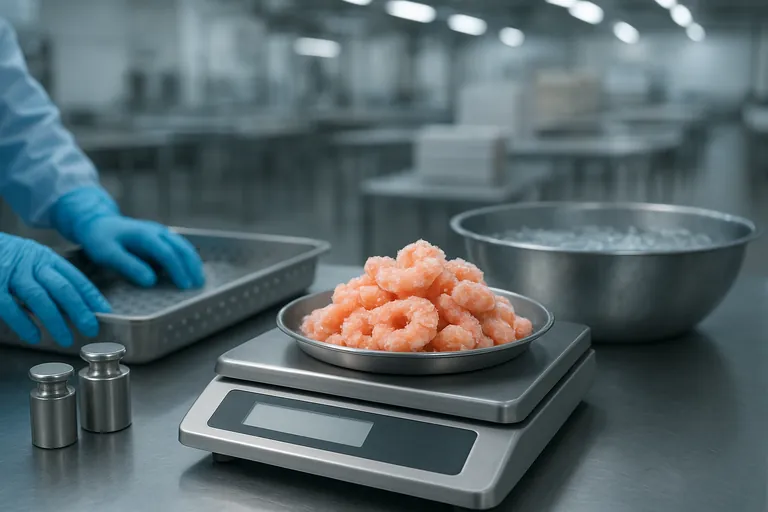
A practical 2026 playbook for Indonesian seafood exporters. Exactly what coverage to buy, what it really costs, and the evidence you must capture to get temperature-deviation claims paid fast.
If you ship frozen fish from Indonesia, insurance can be the cheapest part of the job and the most expensive mistake. We’ve seen perfectly good claims rejected because a single data point was missing, while well-documented shipments with the right endorsements got paid in weeks. Here’s our 2026 playbook for getting cost and claims right.
The 3 pillars of seafood reefer insurance in 2026
- Coverage that actually fits frozen seafood
- ICC(A) is your baseline. It’s “all risks,” but it excludes deterioration from delay and inherent vice. Temperature deviation is not covered unless you add specific extensions.
- Add the two critical endorsements. Reefer Breakdown (mechanical or electrical failure of the refrigeration unit) and Temperature Deviation/Variation (including incorrect setting, failure to maintain, or external power interruption beyond your control). Without both, most temperature-related losses won’t stick.
- Value your cargo correctly. Set Insured Value at CIF + 10% (sometimes CIF + 20% for high-volatility markets). Formula most underwriters accept: Invoice Value + Freight + Insurance + 10% uplift. If you ship FOB, the buyer usually insures. CIF/CFR sellers typically arrange insurance. Spell out who buys the cover in the sales contract to avoid gaps.
- Pricing that matches route, commodity and evidence
- 2026 reality check. For Indonesia to US/EU, we’re seeing all-in premium ranges of roughly 0.35% to 0.85% of Insured Value for frozen fish with Reefer Breakdown + Temperature Deviation extensions. Ultra-sensitive or high-value lines (sashimi-grade tuna, cold-chain shrimp) can sit at 0.6% to 1.2% depending on lane, claims history and deductibles.
- Deductibles matter. Common deductibles are USD 1,000 to 5,000 per container. Pushing deductibles higher can trim rates, but make sure the math still makes sense for your typical claim size.
- Evidence discount. Underwriters reward shippers who prove process control. Written SOPs, third-party calibrated loggers and consistent PTI/pre-cool documentation often shave basis points off your rate. In our experience, three consecutive clean seasons with excellent data can be worth a meaningful price break.
- Evidence that wins claims
-
Think “two independent sources.” Pair the container’s controller logs with independent data loggers. Add facility records that prove pre-cool and loading temperatures. Photos and checklists tie it together.
-
Place loggers where adjusters look first. One at the return-air bulkhead, one mid-load center, one near the door-side supply-air path. Avoid burying all loggers in the coldest spot. Poor placement is a silent claim killer.
-
Calibrate annually. Use ISO 17025 or equivalent calibration certificates within 12 months. No single brand is mandatory. Accuracy and traceability are what insurers care about.
Practical takeaway: Buy ICC(A) plus Reefer Breakdown and Temperature Deviation. Expect 0.35% to 0.85% for mainstream lanes. Document everything like a lab. This sets you up for fast approvals.
Does ICC(A) alone cover temperature deviation for frozen seafood?
Short answer. No. ICC(A) excludes loss due to delay and inherent vice. Deterioration from temperature drift is typically denied unless you add endorsements. You want wording that clearly covers temperature variation and malfunction of the refrigeration system, including incorrect setting, power failure outside the insured’s control, and mechanical/electrical breakdown.
Sample wording you’ll see (varies by insurer). “This insurance is extended to cover loss or damage due to breakdown or malfunction of refrigerating machinery and resultant temperature variation, including incorrect setting or failure to maintain required temperature, provided the insured has taken all reasonable precautions.” Ask your broker for the exact clause text and exclusions.
What does reefer breakdown cover cost in 2026?
For Indonesia–US/EU lanes, a realistic 2026 range we see quoted:
- Frozen whitefish, IQF fillets and portions: 0.35%–0.70%
- Tuna, sashimi-grade items, shrimp: 0.60%–1.20%
- Intra-Asia or shorter-haul lanes can sit 10–20% lower. Complex transshipments or West Africa lanes can price higher.
Factors that push price up. Prior claims ratio above 50%, weak SOPs, SOC reefer units with limited service records, routes with chronic power interruptions at transshipment. Factors that bring it down. Clean claims history, two or more independent loggers per container, PTI plus pre-cool logs, named surveyor arrangements on arrival.
Are delays at transshipment hubs covered if the reefer loses power?
Delay by itself is almost always excluded. Coverage can respond if the loss is proximately caused by a covered peril such as mechanical/electrical breakdown or external power interruption. You’ll often need the Temperature Deviation and Reefer Breakdown endorsements plus wording that acknowledges power failure while in the care of the carrier/terminal. If the container sat unplugged because of congestion with no covered cause, expect a challenge.
Practical step. Ask for a clause that references “deterioration following temperature variation due to external power failure beyond the control of the insured.” It narrows arguments at claim time.
Do I need a specific data logger brand or calibration certificate?
No brand is mandatory. What matters is credibility and traceability. We recommend:
- Use at least three independent loggers per container. Door-side, mid-pack, and bulkhead-return.
- Logging interval 10–15 minutes.
- Calibration certificate within 12 months from an ISO 17025-accredited lab or equivalent. Keep the certificate with your shipping docs.
- Keep logger IDs tied to the container number in your packing list. Adjusters love that level of order.
How do I prove the container was pre-cooled and properly loaded?
- PTI records. Get the PTI printout or e-document showing setpoint, supply/return readings and alarms cleared before pickup.
- Pre-cool the cargo, not just the box. For IQF products like Grouper Fillet (IQF) or Frozen Shrimp (Black Tiger, Vannamei & Wild Caught), record core temperatures at pallet level before stuffing. A simple HACCP log with timestamp, SKU, and thermometer ID helps.
- Loading photos. Show T-bar floor airflow clear, dunnage at the door, no overhang blocking return air, and placement of each logger. One photo of the controller display showing setpoint at handover is worth gold.
Can I add reefer breakdown cover to an existing open policy in Indonesia?
Usually yes. Your broker can endorse the Open Marine Cargo policy to add Reefer Breakdown and Temperature Variation for specified commodity classes, temperature setpoints and routes. Expect an additional premium and possibly a per-container deductible. Insurers may request your cold-chain SOP, PTI process, and sample logger reports before binding. If you want help tuning the wording to match real-world seafood shipments, Contact us on whatsapp. We can share clause examples that have worked for frozen tuna and IQF whitefish.
A shipment timeline that prevents claim friction
Think in four phases with evidence milestones.
Phase 1. Before booking (7–14 days out)
- Confirm Incoterms and who insures (FOB vs CIF/CFR).
- Ask your broker for endorsements naming Reefer Breakdown and Temperature Variation. Fix deductibles and limits.
- Prepare logger plan and calibration docs. Assign one person to guard the evidence trail.
Phase 2. Pre-stuffing and stuffing day
- PTI printout from depot. Photograph seal and controller at setpoint.
- Pre-cool cargo to spec. Log 3–5 core temp readings per lot. For sashimi-grade items like Yellowfin Saku (Sushi Grade), add a QC photo of color and flesh firmness.
- Place three loggers. Record IDs in the packing list. Photograph positions.
Phase 3. In transit
- Request EDI plug-in/plug-out logs from the carrier at origin, transshipment and destination. Keep these with your file.
- Watch for carrier temperature alarms. If alerted, send a written mitigation instruction immediately. It becomes part of the claim file.
Phase 4. On arrival
- If the controller shows excursions or cargo seems soft, give immediate written notice to insurer and carrier. Appoint a surveyor on the same day.
- Stop the damage. Move to cold storage. Segregate good vs suspect pallets for joint inspection.
Documents insurers usually require for temperature-excursion claims
Here’s a compact cargo claim checklist we use in Jakarta and at Tanjung Priok:
- Commercial invoice, packing list, B/L, certificate of insurance or policy schedule.
- PTI report and photos of setpoint and seal at origin.
- Facility pre-cool logs and cargo core temperature records.
- Independent data logger downloads and the reefer controller printout.
- Plug-in/plug-out and temperature alarm logs from carrier/terminal.
- Mitigation records. Cold storage intake temp, segregation notes, and disposal certificates if any product is condemned.
- Surveyor report with cause opinion and loss quantification.
- Timely notices. Written notices to insurer and carrier within policy time limits.
Typical timeline at Tanjung Priok. Notice and survey appointment within 24–48 hours. Joint survey and sampling in 2–5 days. Preliminary report in about a week. Final quantification in 2–3 weeks depending on lab results and salvage. Well-documented files can settle within 30–60 days. Poor documentation can push this well past 90.
Five avoidable mistakes that kill seafood reefer claims
- Relying on the container’s controller logs alone. Add independent loggers or expect disputes about accuracy.
- No proof of cargo pre-cooling. The box was cold, but the fish wasn’t. Insurers call that inherent vice. Core temp logs shut down that argument.
- Vague endorsements. “All risks” isn’t enough. Name Reefer Breakdown and Temperature Variation with power failure wording.
- Logger placement in the coldest pocket only. It undermines causation analysis. Spread them as described earlier.
- Late notification. Waiting more than a few days to notify insurer or carrier weakens recovery rights and slows settlement.
Quick answers to questions we hear every week
- Does ICC(A) alone cover temperature deviation for frozen seafood? No. Add specific temperature and breakdown endorsements.
- What’s a realistic 2026 premium range to US/EU? Roughly 0.35%–0.85% for mainstream frozen fish. Up to 1.2% for high-risk lines like sashimi tuna or shrimp, subject to deductibles and history.
- Which documents are essential to approve a temperature claim? PTI, pre-cool and core temp logs, independent logger data, controller logs, survey report, and timely notices.
- How do I prove pre-cooling and proper loading? Facility logs, core temp records, photos of airflow and logger placement, and the PTI.
- Are transshipment delays covered? Delay no. Temperature loss caused by covered breakdown or external power failure, often yes with the right wording.
- Do insurers accept shipper-owned container logs? They’ll review them, but independent loggers are critical. Controller logs from SOC units can be questioned.
- Can I add breakdown to my open policy? Yes, by endorsement. Expect extra premium and evidence requirements.
If you need help matching clause wording to your exact products and routes, or want a second look at your claims file before submission, Contact us on whatsapp. And if you’re scoping SKUs with tight temperature windows, browse our export-ready lines like Grouper Fillet (IQF), Yellowfin Saku (Sushi Grade), and Frozen Shrimp (Black Tiger, Vannamei & Wild Caught), or just View our products for full specs.
Bottom line. Buy the right endorsements. Price them against your true risk. Then collect the evidence that tells a clean story. Do those three and your 2026 claims odds look a lot better.