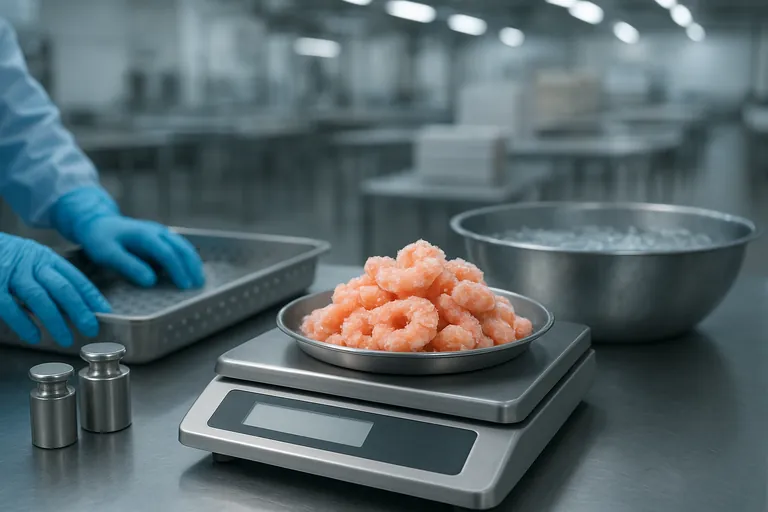
A factory-floor, step-by-step checklist Indonesian tuna processors can use to pass Earth Island Institute (EII) 2026 dolphin-safe labeling audits. Exactly which documents, on-site controls, and traceability proofs auditors expect. Plus templates, segregation SOP tips, and fast fixes for common gaps.
If you run tuna in Indonesia, a 2026 EII dolphin-safe audit will live or die on two things. Can you prove no dolphins were deliberately encircled or harmed on each trip that supplied your lots. And can you trace that claim cleanly through your plant without any chance of mixing. We have sat in dozens of EII audits. Here is the exact playbook we use to pass them.
The 3 pillars of a clean EII dolphin-safe audit
-
Catch-level evidence. Every vessel trip that supplied a dolphin-safe lot must have a valid captain’s statement. In the ETP large purse seine fishery you also need an independent observer verification. Outside the ETP or on non-encirclement gears a captain’s statement is the core proof.
-
Chain-of-custody and segregation. Clear physical and documentary separation of dolphin-safe raw material, WIP, and finished goods. Auditors will try to break your traceability with lot mapping and mass-balance checks.
-
Label control and export docs. Controlled issuance of the dolphin-safe label or claims on COAs and invoices. For US-bound product your package must align with NOAA Form 370 declarations.
Takeaway. If your documents are consistent at trip level and your factory-floor segregation is bulletproof, you are already 80 percent of the way there.
Weeks 1–2: Map your supply and validate documents
Start with a gap scan. Pull the last 6–12 months of tuna receipts and group by vessel trip. For each trip, collect:
- Captain’s statement for EII dolphin-safe. Ensure it is signed by the master and dated for the same trip as your receiving tickets.
- Vessel identity. Name, flag, registration and call sign. RFMO IDs where applicable.
- Gear and area. Gear type per trip. Fishing area described by FAO code or coordinates and RFMO region.
- Observer evidence if required. In the ETP large purse seine fishery you will need an observer statement verifying no dolphin sets and no mortality or serious injury.
- Trip logs that support the statement. Set-by-set logbook extract or a trip summary from the vessel or agent. VMS or e-log data if available. Not mandatory everywhere, but a strong corroboration auditors value.
- Receiving records. First landing or unloading records that match weights to your intake tickets.
Build a trip-to-lot matrix. For each finished SKU map back to intake lots and then to vessel trips. Do not rely on memory. Use a spreadsheet or your ERP. For example, your Yellowfin Saku (Sushi Grade) lot YFS-260402 should map to two vessel trips with captain statements CS-23-118 and CS-23-122. If any lot maps to a trip without a statement, quarantine it now.
What must a captain’s statement include. We use this short, auditor-friendly template:
- Vessel name, flag, reg no., call sign
- Trip dates and trip number
- Gear used on the trip
- Fishing area description (FAO area or coordinates, plus RFMO region)
- Declarations by the master that on this trip: no deliberate setting on dolphins was conducted. No dolphin mortality or serious injury occurred. No drift gillnets were used. No transshipment at sea occurred unless independently monitored and documented. The master understands this declaration is subject to audit and penalties for false reporting.
- Master’s name, signature and date
Need a Bahasa Indonesia and English version with fields that match your ERP. If you want our editable template and the trip-to-lot matrix sheet, Contact us on whatsapp.
Weeks 3–6: Lock in on-floor controls and SOPs
Auditors spend as much time on the floor as they do in the meeting room. We standardize five SOPs and train supervisors until they can recite them.
- Receiving and intake ID.
- Color-coded tags or stickers for dolphin-safe raw material at the gate.
- Immediate lot code assignment that embeds the vessel trip code.
- Photographic evidence of labels on pallets and fish bins at intake.
- Cold store and WIP segregation.
- Dedicated racks or zones labeled Dolphin-Safe and Non-Dolphin-Safe. Never co-mingle.
- Daily segregation checklists signed by storekeepers with timestamps.
- Access control so only authorized staff can move dolphin-safe pallets.
- Production line controls.
- First-run line clearance documented before a dolphin-safe run. Clean-down photo plus swab or a signed checklist is enough for EII.
- Dedicated totes and tools for dolphin-safe runs or use single-color totes only for those runs.
- Real-time batch cards that follow the product through trimming, loin, saku and steak lines. For example, Yellowfin Steak lot YFSK-260410 can only draw from dolphin-safe WIP cards.
- Cannery segregation SOP.
- Separate thawing bins and brine cook baskets labeled for dolphin-safe.
- Timer boards and cook logs show continuous runs without mixing. If you run both categories in a shift, enforce a documented line clearance in between.
- Post-cook segregation until can seaming. Pallets of Skipjack Cube (WGGS / IQF) or tuna loins staged for canning must remain in their labeled zones.
- Label and claim control.
- Pre-numbered label rolls or claim stickers kept in a locked cabinet with issuance log.
- Only QA can release dolphin-safe claims for Bigeye Loin, Yellowfin Cube (IQF) or Yellowfin Ground Meat (IQF) lots. No exceptions.
Practical takeaway. If a stranger can walk your plant and identify dolphin-safe pallets and WIP in under 60 seconds, you are on the right track.
Weeks 7–12: Run a mock audit, test traceability, fix fast
We simulate EII’s flow.
- Document stress test. Pick three finished lots. Ask your team to produce the captain’s statements, receiving tickets, production travelers, cold store logs and a mass-balance within 15 minutes per lot.
- Mass-balance. For each lot, show that inputs equal outputs plus yield loss. If the numbers do not add up, you have a mixing or record error risk.
- Internal traceability test. Start with a packed pallet and walk backwards to the intake bay and vessel trip records. Then go forward from a trip to every finished lot that used it.
- Corrective action plan (CAP). Write CAPs like an auditor expects. Root cause. Immediate fix. Systemic fix. Responsible person. Due date. Evidence to close.
Two fast CAP examples we have used.
- Finding. Missing signature on a captain’s statement. Immediate fix. Obtain a countersigned digital copy from the master via agent. Systemic fix. Add a receiving gate checklist that blocks intake posting unless statement is on file.
- Finding. Dolphin-safe totes found in an unmarked WIP zone. Immediate fix. Move to the correct zone and recount. Systemic fix. Paint a yellow border and install signage. Train shift leads and run a surprise audit next week.
Q&A we get in every 2026 prep meeting
What documents are required to pass in 2026?
You will need captain’s statements for each supplying trip. Observer verification for ETP large purse seine trips. Vessel identity and gear details. Fishing area. Receiving and intake records tied to trip codes. Production travelers or batch cards. Cold store and WIP segregation logs. Label issuance logs. For US-bound shipments, completed NOAA Form 370 aligned to your captain’s statements.
How do we prove dolphin-safe if there was no observer on board?
Outside the ETP, a signed captain’s statement is acceptable under EII when it declares no setting on dolphins and no mortality or serious injury. Strengthen the file with a set-by-set logbook extract, a trip summary or e-log, and VMS tracks if you have them. Consistency across documents is what auditors check.
What must be in a captain’s statement for EII?
Master’s declaration of no deliberate dolphin encirclement and no mortality or serious injury on that trip. Vessel identity, gear and area. No drift gillnets. Transshipment controls. Signature and date that match the trip window.
How should a cannery segregate dolphin-safe material?
Use dedicated zones, bins and cook baskets. Maintain line clearance records between categories. Keep continuous run logs in the cook room. Lock label rolls. The simplest rule we use. If you would be comfortable livestreaming your floor for an auditor, your segregation is probably good enough.
Which gears and areas are acceptable in 2026?
EII allows tuna caught without setting on dolphins and without dolphin mortality or serious injury. Examples that typically qualify. Pole-and-line, handline, troll, longline. Purse seine sets that did not deliberately encircle dolphins. EII does not accept drift gillnet-caught tuna. In the ETP large purse seine fishery, obtain observer verification as noted above.
How often will EII audit us, and what triggers extra visits?
Expect a baseline audit and periodic surveillance. Annual reviews are common. Triggers for extra or unannounced visits include media or NGO allegations, inconsistent paperwork, handling both dolphin-safe and non-dolphin-safe in the same site, or supply from high-risk fleets.
The most common nonconformities we see
- Captain’s statements with wrong trip dates or missing signatures.
- Lot codes that do not embed or link to vessel trip IDs.
- Segregation breakdowns in WIP areas or shared tools.
- Labels or claim stickers issued by production instead of QA.
- Mass-balance gaps that suggest mixing or data entry errors.
Prevent them with one-page checklists at receiving, bold signage in stores, and a weekly internal traceability exercise that takes 30 minutes. Three out of five plants we help pass on the next audit round just by doing those three things consistently.
Trends and tools we recommend for 2026
- Simple digital traceability. A shared spreadsheet with data validation and barcode lot labels beats paper. If you have an ERP, add a mandatory captain’s statement upload field at intake.
- Photo logs. Auditors appreciate time-stamped photos of line clearances and pallet labels. It reduces interviews and speeds the walk-through.
- Supplier onboarding for small-scale fleets. Provide a Bahasa template pack and accept scans via WhatsApp. We hold short dockside briefings twice a year. It raises compliance more than any memo.
Final thought. Dolphin-safe audits are not won with glossy binders. They are won by tight trip files and a floor that runs clean segregation without drama. If you want a quick template pack and a 30-minute pre-audit check on your trip-to-lot matrix, Contact us on whatsapp.