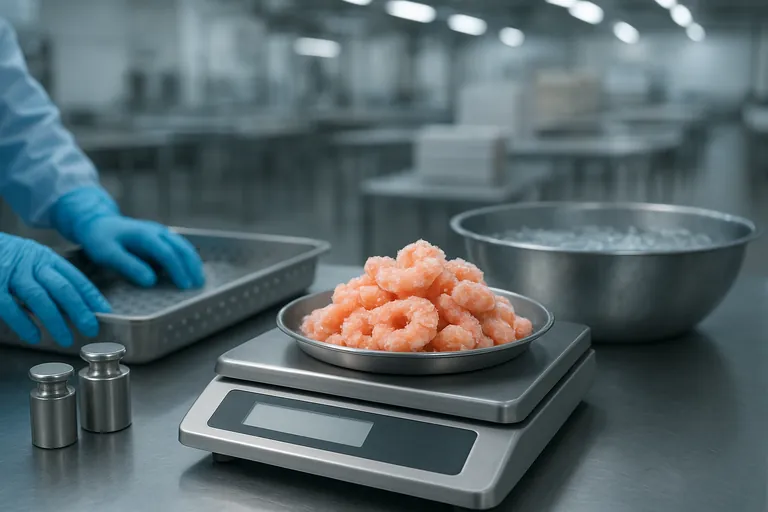
A 2026-ready, step-by-step guide to securing the EU IUU Catch Certificate (CC) for Indonesian tuna and other wild-caught seafood. Exact documents, application flow, realistic timelines, and the rejection fixes we actually use.
If you ship wild-caught seafood from Indonesia to the EU, the EU IUU Catch Certificate is the gatekeeper. We’ve taken shipments from “stuck at customs” to “cleared in 48 hours” by tightening documents upstream. In our experience, this 2026 checklist cuts rejections to under 3% and keeps lead times predictable.
The three pillars of a clean EU Catch Certificate file
- Vessel legality. Active SIPI and SLO, correct gear, proper logbooks, and landing declarations. If legality at sea is tidy, the rest flows.
- Traceable custody. Every handoff documented from landing to factory to container. Auction slips, purchase notes, and movement docs that actually reconcile weights.
- Consignment clarity. One exporter, one importer, one consignment. The CC mirrors your commercial docs, species by species, trip by trip. No guesswork left for EU customs.
Phase 1 (pre-catch to landing): lock vessel and trip documents
Here’s the thing: most CC problems start before the fish even lands.
- SIPI and SLO. Ensure the vessel’s Fishing Permit (SIPI) and Port Departure Permit (SLO) cover the actual trip dates and gear. We set calendar alerts 30 days before expiry. Don’t let paperwork lapse mid-voyage.
- Vessel logbook. Use Indonesia’s e-logbook where available. For small handliners still on paper, get every page signed and stamped by the Port Authority/PPK when landing. Missing stamps are a top-5 rejection reason.
- VMS/positions. For vessels required to carry VMS, confirm pings during the entire fishing period. If there’s a blackout, include a captain’s explanation and maintenance proof. It won’t always save you, but it helps.
- Landing Declaration (LD). Match species, weights, dates, and FAO area (57 or 71 for most Indonesian tuna grounds). If you aggregate multiple landings, keep each LD intact. Don’t “average” later.
Practical takeaway: Before you buy a single kilo for export, pre-audit the trip pack: SIPI, SLO, logbook, VMS track, and LD. If one is weak, don’t build the EU consignment on it.
Phase 2 (aggregation to production): maintain chain of custody
Once fish is ashore, you’re building the case EU customs will read.
- Purchase/auction documents. Keep original auction slips or supplier invoices with lot IDs. The lot IDs must follow the product into the factory traveler/production batch sheet.
- Movement and storage. If product moves inter-province, keep the official movement documents and transport notes. If you store raw or semi-processed fish, record cold-room in/out by lot. Storage Declarations are needed if asked by the validator.
- Processing reconciliation. Trim loss is normal. What matters is a realistic yield curve. For Yellowfin Saku (Sushi Grade) or Bigeye Loin, we pre-calc expected yields and reconcile raw to finished weights within 1–2%. Over- or under-yield is a rejection magnet.
Practical takeaway: Build a one-page lot map from vessel trip to finished SKU. If you can’t read it in 60 seconds, an EU officer won’t either.
Phase 3 (application to clearance): submit a consignment that reads like your invoice
- One consignment, one CC. The EU CC should mirror your commercial invoice and packing list. If you mix species or trips, list each clearly on separate lines with corresponding trip data. We often split CCs by species and trip to keep lines clean for Yellowfin Steak versus Skipjack Cube (WGGS / IQF).
- Online application. Apply via KKP’s e-certificate system (the e-CC portal). Local fisheries offices and Fish Quarantine/Quality (often still referred to as BKIPM at port) help verify source documents ahead of KKP validation.
- Originals vs digital. The EU’s CATCH platform is expanding, and several member states now prefer pre-registration of CC data. But some still ask for the original wet-stamped CC on arrival. We prepare both PDF and original to avoid delays.
Practical takeaway: Align your CC lines to your invoice SKUs. If the CC says “Thunnus albacares fillet IQF 5,000 kg” and the invoice says “Yellowfin tuna steak 4,950 kg,” expect questions.
2026 EU Catch Certificate checklist for Indonesia (tuna example)
- Vessel identity: name, call sign, GT, flag, gear
- Valid SIPI and SLO covering trip dates and gear
- Vessel logbook pages for the trip, signed/stamped; e-logbook export if used
- VMS track record if applicable
- Landing Declarations for each landing in the consignment
- Transshipment Declarations if any at sea or port
- Purchase/auction documents matching landed lots
- Production batch sheets with yield reconciliation to finished goods
- Storage Declarations if held before export
- Commercial docs aligned to CC: invoice, packing list, BL
- EU Catch Certificate form (application in e-CC) with each lot line completed
- If processed from foreign-flag catches: original CCs from flag state plus EU Processing Statement. For Indonesia-flag catch processed in Indonesia, this is usually not required
Need help mapping lots to CC lines for your Yellowfin Saku (Sushi Grade) or Bigeye Steak program? Our docs team does this weekly. Contact us on whatsapp.
Quick answers to the questions we get most
Who issues the EU catch certificate in Indonesia and where do I apply?
Validation is done by Kementerian Kelautan dan Perikanan (KKP) as the flag-state authority, typically through the Directorate General of Capture Fisheries. Applications go through KKP’s e-certificate portal, with document checks coordinated via local fisheries offices and Fish Quarantine/Quality control counters at port (commonly still referred to as BKIPM).
Do farmed shrimp or aquaculture products need an EU catch certificate?
No. The EU IUU Catch Certificate applies to wild-caught marine fish. Aquaculture like our Frozen Shrimp (Black Tiger, Vannamei & Wild Caught) only needs veterinary/health certification and standard export docs. Exception: if an aquaculture product specifically includes a wild-caught component that the EU classifies under IUU controls, document accordingly.
How long does it take to get an EU catch certificate in Indonesia?
What we see in 2025–2026:
- Clean file, no transshipment, e-logbook used: 2–5 working days
- Paper logbooks or multi-trip aggregation: 5–8 working days
- Complex transshipments or document corrections: 7–12 working days Build a 10-working-day buffer into your production calendar for EU orders.
What documents are required for an EU catch certificate for tuna?
At minimum: SIPI, SLO, signed logbook pages or e-logbook export, LDs, any Transshipment Declarations, purchase/auction proof, and aligned commercial docs. Then the completed EU CC application in e-CC. If any raw material was foreign-flag and processed in Indonesia, attach the original foreign CCs plus an EU Processing Statement.
Is one catch certificate needed per container, per lot, or per species?
The regulation speaks to “per consignment.” Practically, issue one CC per exporter–importer consignment and keep lines simple: one species per trip per line. If you’re mixing multiple trips or species, consider multiple CCs to avoid confusion at EU customs. We split CCs when lots have different trips or FAO areas.
Can small handline vessels without VMS still qualify for an EU catch certificate?
Yes, if legally exempt and the paper trail is strong. You’ll need fully completed and stamped logbooks plus LDs. We also include photos of the landing, supplier declarations, and cohesive weights. It’s more scrutiny and slightly longer processing, but approval is possible.
Why was my EU catch certificate application rejected and how do I fix it?
Top reasons we’ve actually seen:
- Weight mismatches. CC line totals don’t reconcile with LDs or invoice. Fix by re-building the yield sheet and re-aligning lines.
- Species or FAO area errors. “Yellowfin” written as “tuna,” FAO 71 vs 57 mixed up. Fix by matching scientific names and fishing areas exactly to logbooks.
- Missing or expired SIPI/SLO. Renew and re-validate the trip. Don’t submit with gaps.
- Undeclared transshipment. If any transfer happened, you need the Transshipment Declaration. Retro-fitting later is difficult.
- Handwritten edits without countersign. If you must correct, re-issue clean pages or get official stamps next to changes.
2026 realities you should plan for
- CATCH is maturing in the EU. More importers will ask for pre-registration and digital verification. We provide a clean PDF and a data sheet the importer can upload.
- E-logbook adoption is rising in Indonesia. It speeds validation. We prioritize trips with e-log for EU programs when capacity allows.
- Tight SKU alignment wins. CC lines that mirror finished SKUs, like Yellowfin Steak versus Yellowfin Saku (Sushi Grade), reduce customs queries and storage costs at EU entry.
What this checklist doesn’t cover
- Non-EU markets and tariffs/HS codes
- Health certificates and veterinary controls
- Farmed-only supply chains without wild-caught components
Bottom line: make your CC tell a simple, true story
When the vessel trip is legal, the custody is traceable, and your consignment mirrors your invoice, EU officers move fast. We’ve found that investing two extra hours in lot mapping upstream saves days at the border.
If you need a second pair of eyes on a tricky file or a multi-vessel tuna program, Contact us on whatsapp. We’re happy to pressure-test your plan before you cut.