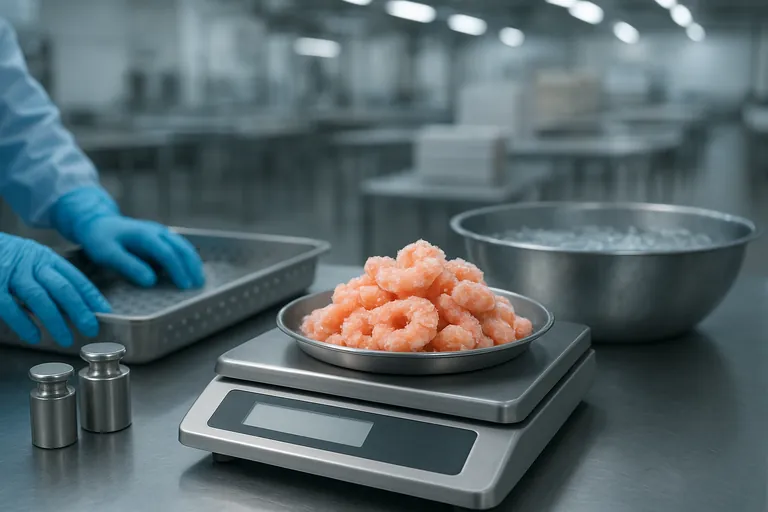
A practical, field-tested playbook for choosing FOB, CFR, or CIF for reefer seafood from Indonesia. We map who pays and who bears risk for plug-in, PTI, terminal monitoring, genset, setpoints, and insurance—plus copy‑paste clauses and named‑place wording that prevent cold‑chain gaps at Tanjung Priok and Belawan.
If you’ve ever argued over who pays a reefer plug‑in bill or whether CIF actually covered a temperature spike, you’re not alone. We’ve shipped Indonesian seafood for years and learned the hard way where FOB, CFR, and CIF create cold‑chain blind spots. This 2026 guide distills what works right now at Tanjung Priok and Belawan, with copy‑paste clauses you can put into your next contract.
We’ll use real reefer scenarios: frozen shrimp to China, IQF reef fish portions to the Middle East, and tuna to the US. If you’re benchmarking product specs while you read, you can also browse our range like Frozen Shrimp (Black Tiger, Vannamei & Wild Caught) or Grouper Fillet (IQF). But let’s get into Incoterms first.
Our field test: FOB vs CIF for Indonesian reefer exports
Here’s the setup we’ve run repeatedly in the last quarters.
- Cargo and routes. 1) Vannamei blocks and PDTO to China. 2) Reef fish IQF portions such as Sweetlip Fillet (IQF) to UAE. 3) Tuna loins/saku like Yellowfin Saku (Sushi Grade) to US West Coast.
- Terminals. Jakarta’s Tanjung Priok (JICT/NPCT1) and Belawan (BICT). Both have solid reefer stacks, but Belawan’s weekend staffing and plug‑in queue can stretch gate‑in to live power by a few hours if you arrive late Friday. Plan around that.
- Temperature. Frozen fish setpoint typically −20 °C. Shrimp −18 °C. We use core temp checks at stuffing and dual data loggers.
Head‑to‑head comparison: what actually changes with the Incoterm
We mapped this to the decisions you make every week.
Booking and coordination complexity
- FOB. Buyer books the shipping line. Seller must deliver on board. In practice for containers this is clumsy. If the buyer’s line delays loading, the seller sits on pre‑loading risk and plug‑ins longer than expected.
- CIF (or CFR). Seller books the line. You control gate‑in timing, PTI documentation, and pre‑carriage. Coordination is cleaner, especially at Priok.
Takeaway: For containers, FCA Terminal (not FOB) is often cleaner. But if your customer insists on FOB, expect more hand‑offs and watch the clock on plug‑ins.
Control over temperature, PTI, and setpoints
- FOB. The buyer’s booking means the line issues the reefer. PTI is on the line, but you must verify it. You control setpoint in your work order, yet any mismatch between your spec and the buyer’s booking note can slip through.
- CIF. You set the booking note, insist on fresh PTI, and can require pre‑cooling to setpoint before stuffing. Fewer surprises.
Actionable tip: Ask for the PTI certificate date and controller screenshot. For frozen cargo, specify “no fresh air exchange” and a tolerance of ±0.5 °C.
Compliance and export documents
- FOB/CFR/CIF don’t allocate export clearance differently for these three E‑terms. Seller handles export customs and health certificates in Indonesia under all of them. Keep that in mind if a buyer claims “FOB means you do less paperwork.” It doesn’t.
In‑transit visibility
- FOB with buyer’s line. Access to the carrier’s reefer telemetry can be limited. You may be stuck with only your own data loggers.
- CIF. You can select a carrier with API access to reefer controller data. That helps if a defrost cycle goes strange mid‑voyage.
Support when things go wrong
- FOB. Any terminal holds or late cut‑off issues must be pushed through the buyer’s line. Response time varies. We’ve had weekend delays at Belawan that a CIF booking would’ve solved with a priority stack move.
- CIF. You’re the line’s customer. You escalate faster.
Total costs and the “hidden fees” column
This is where most disputes live.
-
Reefer plug‑in and terminal monitoring fees in Indonesia. Billed by the terminal to the line, then onward. Under FOB, risk and typically cost of plug‑ins and monitoring before loading sit with the seller. Under CIF, pre‑loading is still on the seller because you booked the line. Either way, watch gate‑in timing. Expect itemized charges for electricity per day and monitoring events; at Priok and Belawan these can stack quickly if cargo sits over a weekend.
-
Genset rental for pre‑gate moves. If you hand over a live box at factory and truck to terminal, specify who rents and pays the clip‑on genset.
-
Demurrage and detention. Under CIF, destination demurrage/detention is for the buyer unless you’ve agreed otherwise. Under FOB/CFR, also buyer. But lines sometimes preload D&D into freight offers. Read the quote fine print.
Takeaway: The biggest avoidable cost is avoidable time. Freeze your production schedule, target morning gate‑ins, and never stuff on a Friday afternoon to Belawan.
Real‑world results after 90 days
Over a 90‑day window across dozens of reefers, here’s what we observed.
- Temperature alarms pre‑loading. More frequent under buyer‑booked FOB, usually tied to late gate‑ins that stretched plug‑in wait times. Targeting earlier CY cut‑off solved 80% of incidents.
- Claims. CIF with proper Frozen Food coverage paid faster on genuine reefer malfunction. CIF with basic ICC(C) did not respond to temperature deviation alone. Under FOB/CFR, buyers with their own annual policies managed claims better than ad‑hoc single‑shipment covers.
- Total cost to land. CIF looked more expensive upfront, but for small buyers it lowered total landed variance because we controlled the hand‑offs.
Straight answers to the questions we get most
Under FOB from Indonesia, who pays terminal plug‑in and monitoring before loading?
The seller. Under classic FOB, risk passes only when the container is on board. So electricity and monitoring inside the terminal yard before loading sit with the seller. Billing may route via the buyer’s line, but it’s your cost and risk territory until the box crosses the rail.
Does CIF actually cover temperature excursions for frozen shrimp, or do I need special insurance?
You need special wording. CIF requires the seller to buy minimum cover. In practice that’s Institute Cargo Clauses (C), which won’t cover temperature variation or reefer breakdown unless caused by a listed peril. For frozen shrimp, buy ICC(A) with Temperature Extension and Frozen Food/Reefer Breakdown clauses. Ask your broker for “ICC(A) + Frozen Food Clauses including temperature deviation following reefer machinery breakdown and/or incorrect setting, subject to recorded logger evidence.”
Is FOB a bad choice if the buyer books the reefer?
For containers, yes, FOB is awkward. ICC itself recommends FCA for containerized shipments. Use “FCA – Terminal/CY” so risk transfers when you hand the reefer to the carrier at the CY plug‑in row. You avoid the “on board” trap that extends your risk window.
What should the named place look like to avoid cold‑chain gaps at Priok or Belawan?
- FCA example. “FCA Jakarta, Tanjung Priok – JICT Reefer Yard RY‑3, plug‑in position confirmed by carrier, hand‑over on live power.”
- FOB example (if you must). “FOB Jakarta (Tanjung Priok) – On board vessel nominated by Buyer. Seller bears all terminal plug‑in/monitoring until on‑board confirmation.”
- CIF example. “CIF Ningbo‑Zhoushan, China – CY.” You can also name the terminal for smoother monitoring continuity.
Who is responsible for PTI, pre‑cooling, and temperature setpoints under FOB vs CIF?
- PTI reefer inspection. Done by the line or depot. Under FOB, the buyer’s line performs PTI, but you should demand the PTI report and refuse a box with stale PTI. Under CIF, you can specify “fresh PTI within 72 hours of stuffing.”
- Pre‑cooling cargo. Always the seller. Container pre‑cooling is recommended for frozen product to setpoint, then stuff fast with doors‑open time under 5 minutes.
- Setpoints. The seller issues setpoint in the stuffing order. Under CIF, your booking note should mirror it. Under FOB, match the buyer’s booking note and get written alignment.
Under CIF, do I still pay demurrage/detention if the buyer delays clearance?
No. Under CIF, risk transfers on loading at origin and destination port storage/D&D are for the buyer, unless your sales contract says otherwise. Don’t agree to “CIF with free time at destination” unless the price reflects it.
Can I use CFR instead of CIF for reefer seafood to China?
Yes, if your buyer has strong insurance. CFR mirrors CIF on cost split except you don’t buy insurance. Many Chinese importers prefer CFR to use their annual marine cover that includes temperature clauses.
Copy‑paste clauses that prevent disputes
Use these as a base and adapt to your lanes.
- Reefer monitoring and plug‑in charges. “All terminal reefer plug‑in electricity and monitoring charges prior to risk transfer shall be for the account of the party bearing risk at that time. Under FCA: prior to carrier receipt at CY; under FOB: prior to on‑board; under CIF/CFR: prior to on‑board.”
- PTI and pre‑cooling. “Container shall have fresh PTI not older than 72 hours at time of stuffing. Setpoint −20 °C (tolerance ±0.5 °C), no fresh air exchange, continuous monitoring enabled. Cargo to be pre‑cooled to ≤ −18 °C core prior to stuffing.”
- Data loggers. “Seller to install minimum two independent temperature data loggers (door and center), start at stuffing. Buyer/insurer to accept logger data as primary evidence.”
- Genset hand‑over. “If factory hand‑over on live reefer is required, clip‑on genset rental and fuel from factory gate to CY shall be for [Party], with risk during road haul per named Incoterm.”
- Insurance wording (CIF). “Insurance: ICC(A) with Temperature Extension and Frozen Food/Reefer Breakdown Clauses, sum insured 110% of CIF value, claims payable at destination in currency of invoice.”
Need help tailoring these to your buyer’s template? If you want a quick sanity check, Contact us on whatsapp. We can usually spot the risk gaps in under 10 minutes.
Who should use what, and when
- New buyers and fragmented routes. CIF. You control bookings, PTI, and timing. Less variance and fewer weekend surprises at Belawan.
- Large buyers with annual insurance. CFR. Let them run their ICC(A)+temperature programs, but lock in your FCA delivery point.
- Legacy customers insisting on FOB. Try to convert to FCA CY. If not possible, tighten clauses above and schedule early gate‑ins. Never stuff Friday late for Saturday cut‑off at BICT.
Final thought. The best Incoterm is the one that matches your control over the cold chain. If you control stuffing, setpoints, and timing, you should also control the booking. That’s why we favor FCA/CIF for reefer seafood in Indonesia. If you want examples mapped to your exact SKUs and destinations, skim our range and ping us with your draft clauses. A buyer may push back on terms. But a clean cold‑chain hand‑off is worth more than a few dollars shaved off freight. If you’re comparing SKUs and specs for your next program, View our products.