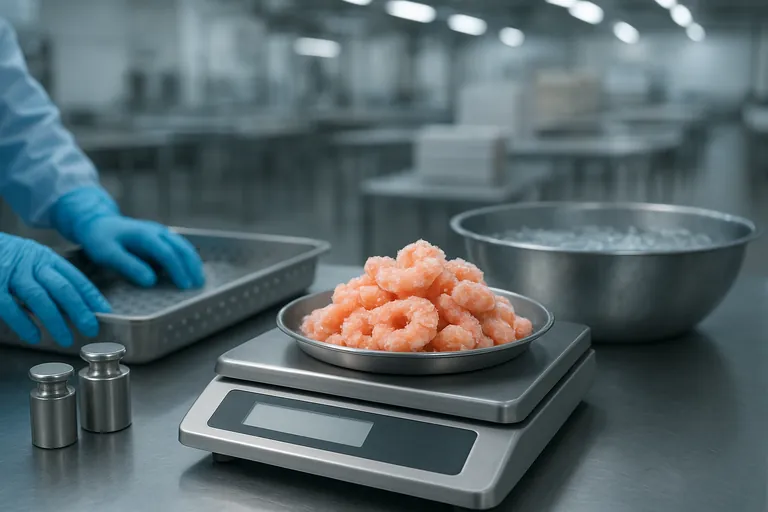
A step-by-step, export-ready Antibiotic Compliance Pack for Indonesian vannamei and black tiger shrimp headed to Japan in 2025. Exactly which residue tests to run, how to sample, what your COA must include, and the supporting docs your importer needs for MHLW import notification.
We went from repeated port holds to 100% on-time clearance for Japan-bound shrimp by standardizing one simple compliance pack. This is the exact framework we use for our own Frozen Shrimp (Black Tiger, Vannamei & Wild Caught) and for partners who ask us to help audit their lines.
The 3 pillars of fast, clean MHLW clearance
- Test what Japan actually checks. Start with the MHLW positive list for veterinary drugs. For shrimp, have a zero-tolerance mindset for chloramphenicol and nitrofuran metabolites, and cover key veterinary classes that have tripped shipments in the past two years.
- Sample like an inspector. Randomized, representative, sealed, and traceable composites. If your sampling is weak, even a good farm can fail at the port.
- Put it on paper. Your COA and traceability pack should answer the quarantine officer’s questions before they’re asked. In our experience, the strongest files are boringly consistent: same fields, same lab LOQs, same chain-of-custody language, every time.
This leads us to the practical playbook.
Weeks 1–2: Build your Antibiotic Compliance Pack
- Define the lot. One pond group, one harvest window, one processing date range, one final spec. Don’t mix ponds in a lot if you want predictable results.
- Farm-level records. Collect aquaculture drug logs, feed brand and lot, water treatment history, and any lab tests done during grow-out. A one-page “antibiotic-free declaration” from the farm is helpful, but it’s not a substitute for logs.
- Factory HACCP reference. Include a one-page HACCP flow summary with CCPs related to residue control. Add supplier approval criteria for farms and feed where relevant.
- Traceability map. A simple diagram that connects Pond IDs → Receiving Bins → Processing Line → Finished Lot Code → Carton ID Ranges. Keep it to one page.
Quick win we’ve seen: record a “Do Not Use” list in your HACCP plan for banned drugs in Japan (e.g., chloramphenicol, nitrofuran precursors). Train supervisors to reject raw material if there’s any risk of use.
Weeks 3–6: Pre-shipment testing that matches MHLW expectations
What antibiotic residue tests does MHLW expect in 2025?
For Indonesian shrimp, Japanese buyers commonly expect a COA covering at minimum:
- Chloramphenicol
- Nitrofurans as metabolites: AOZ, AMOZ, AHD, SEM
- Malachite green and leucomalachite green (often requested alongside antibiotics)
- Broad-screen panels: sulfonamides, tetracyclines, quinolones/fluoroquinolones, macrolides, trimethoprim. Your buyer may specify additional classes based on their risk program.
We recommend aligning your exact panel with the importer’s purchase specs. Japan’s positive list is living policy, and importers sometimes add internal targets from their own risk assessments.
Which nitrofuran metabolites and detection limits should I use?
Include all four metabolites: AOZ, AMOZ, AHD, SEM. Market practice among Japanese importers in 2024–2025 is:
- Chloramphenicol LOQ at or below 0.1–0.3 µg/kg
- Each nitrofuran metabolite LOQ at or below 0.5–1.0 µg/kg
That’s conservative and keeps you safely under “not detected” expectations. Confirm LOQs with your buyer and your lab so your COA language matches Japanese requirements.
Do I need a Japanese lab, or will an Indonesian lab’s COA be accepted?
You don’t need a Japanese lab for pre-shipment. MHLW accepts importer-side testing at the port under Monitoring or Inspection Order, and a foreign lab COA is typically used as pre-shipment assurance. Two practical paths we’ve seen work:
- Use a reputable Indonesian ISO/IEC 17025 lab with validated methods for Japan, and a COA that lists method, LOQ, and metabolite names exactly.
- For high-risk launches or after a past violation, send a split sample to a Japanese lab (e.g., JFRL or a prefectural public health lab) as a voluntary pre-check. It costs more and takes longer, but it builds importer confidence.
How many samples and from which cartons should I collect?
This is where many teams stumble. A pragmatic, inspector-like plan:
-
Per finished lot, select 12–18 cartons across pallets. Spread top/middle/bottom layers and different pallet positions.
-
From each selected carton, take primary units totaling about 150–250 g. Aim for a total composite of 1.5–2.0 kg.
-
Make two identical composites: one for the lab and one retained at -18°C with tamper-evident seal. Keep a small third “referee” reserve if budget allows.
-
Record a chain-of-custody: who sampled, where, time, carton IDs, seal numbers.
Labs often require 500 g per analysis, but a 1.5–2.0 kg composite lets you run duplicates or add-on tests without resampling the lot. This avoids last-minute panic.
How far before shipment should I test?
We plan for results 10–14 days before stuffing. Most accredited labs return residues in 5–7 working days. If you test inside a 7-day window and something flags, you’ll be forced into delays or a rework decision with no time buffer. When in doubt, test earlier and keep reference samples sealed.
Need help tailoring the panel and sample plan to your product spec or buyer policy? Feel free to Contact us on whatsapp.
Weeks 7–12: Paperwork, importer handoff, and scaling
What must the COA include for MHLW import notification?
Buyers vary, but a COA that clears diligence checks almost always has:
- Product and lot identification: species, form (e.g., HLSO, PD), lot code, production date range, net weight.
- Sample description and sample size. Reference to composite sampling and carton IDs.
- Methods and LOQs per analyte. Spell out metabolites (AOZ, AMOZ, AHD, SEM). State ND criteria.
- Results as “ND at <LOQ” or absolute µg/kg results if detected below buyer threshold.
- Lab accreditation, method references, issue date, signatures, and QR or seal where available.
What documents go with the COA for the import notification?
The importer files the MHLW import notification. Your best support pack is:
- COA as above
- Farm drug-use logs and antibiotic-free declaration
- Processing HACCP summary with your residue control points
- Traceability map tying Pond → Lot → Carton range
- Packing list and invoice with lot codes
- If buyer requests: a short “Manufacturing Process Description” referencing cold chain and contamination controls
When you scale to multiple lots, keep formats identical. Consistency reduces questions at the quarantine station.
The 5 mistakes that kill Japan‑bound shrimp shipments
- Testing too late. Results arrive after the container sails and you discover a problem when MHLW samples at the port. Fix: pull your test window forward by at least one week.
- Weak sampling. Only top-layer cartons or too few units. Fix: mimic inspector randomness and make a defensible composite.
- Missing metabolites or wrong LOQ on the COA. Fix: lock your method/LOQ with the lab in writing, and spot-check COAs before release.
- Mixing ponds in a lot. One risky pond contaminates the entire shipment. Fix: one pond group per lot, especially on first buys.
- No referee sample. When a port test disagrees with your COA, you have nothing to retest. Fix: always keep a sealed retain under chain-of-custody.
What if MHLW finds residues in my shipment?
- Under Monitoring. The shipment fails and is typically rejected or destroyed/returned depending on importer decision. Expect increased sampling on future lots.
- Under Inspection Order. Your exporter or facility can be placed under mandatory testing for specified substances. Practically, that means each lot will be sampled and held at the port until a Japanese lab clears it. Lifting an inspection order usually requires consecutive negative results. Your importer should confirm the local station’s current criteria.
When this happens, we add a double layer of controls for the next three shipments: split-sample pre-shipment testing with a Japan lab, stricter lot definition, and a tighter LOQ. It’s not cheap, but it gets confidence back fastest.
A ready-to-use Antibiotic Compliance Pack template
Use this short checklist to standardize your Japan program:
- Lot definition sheet with carton ranges and pond IDs
- Farm declarations + drug-use and feed logs
- HACCP residue control summary and “Do Not Use” drug list
- Sampling plan and chain-of-custody template
- COA with methods, LOQs, ND criteria, and signatures
- Retained-sample log with seal numbers
We run this same pack for our export lines and for buyers of our Frozen Shrimp (Black Tiger, Vannamei & Wild Caught). If you need examples or want us to review your panel and LOQs, Contact us on email.
Final takeaways
- Test to Japan’s risk profile. Cover chloramphenicol and all four nitrofuran metabolites with conservative LOQs, then add the drug classes your buyer specifies.
- Sample like an inspector and document it. Your composite and chain-of-custody are your best insurance.
- Get the paperwork boringly right. A clean COA and a tight traceability pack lead to fewer questions, faster release, and repeat orders.
In our experience, teams that operationalize this pack can move from “hoping to pass” to a predictable, low-drama Japan program in a single season. If you want a sanity check on your current documents, we’re here to help.