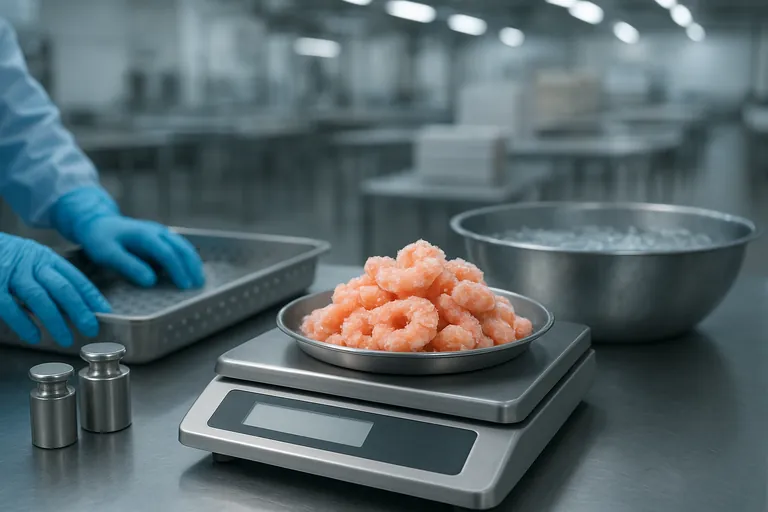
A practical, bookmarkable guide to classify breaded, tempura, and cooked shrimp from Indonesia correctly (Chapter 03 vs Chapter 16). Includes a clear decision tree, 2026 tariff lookup steps for EU/US/UK/Japan, and a mini evidence checklist customs accepts.
We’ve seen more duty surprises on shrimp than any other line item. And nine times out of ten, it’s because someone guessed at 0306 vs 1605. The difference can swing landed costs by several percentage points. In our experience, a clean classification process and a tidy evidence pack can be the difference between a smooth clearance and a three-week hold.
The 3 pillars of correct shrimp classification
-
Product reality. What exactly is it at export? Species, form, processing, and ingredients. A single line on your spec sheet can push you from Chapter 03 to Chapter 16.
-
Legal notes. Chapter 03 covers crustaceans that are fresh, chilled, frozen, dried, salted, or in brine, and even cooked by steaming or boiling in water. Chapter 16 covers prepared or preserved products. Batter, breading, seasoning, sauces, frying or baking are decisive.
-
Evidence on file. Customs wants verifiable facts. Ingredient percentages, process flow, photos of product pre-freeze and post-pack, and labels. If you can show it, you can defend it.
A simple decision tree: 0306 vs 1605 for shrimp
Ask these in order:
-
Was the shrimp only cooked by steaming or boiling in water and then chilled or frozen, with no added ingredients other than water, salt, or brine? Yes usually stays in Chapter 03 (HS 0306). No go to next.
-
Is there batter, breading, tempura, marinade, spice mix, sauce, oil, butter, or other flavoring? Yes Chapter 16 applies. Shrimp and prawns fall under HS 1605, typically 1605.56 at the 6-digit level. No go to next.
-
Was it cooked by frying, baking, grilling, roasting, or other methods beyond steaming or boiling? Yes that’s Chapter 16. No go to next.
-
Is there a very light dusting of starch or rice flour solely to prevent sticking, without taste or texture change? Jurisdiction-specific. Some authorities still keep truly “dusted” shrimp in 0306 if the coating is minimal and for handling only. Others push it to 1605. Check rulings before you decide.
Takeaway. Breaded shrimp, tempura shrimp, and shrimp with sauce or seasoning are Chapter 16. Plain cooked shrimp with no additions can remain Chapter 03.
Is breaded shrimp classified under Chapter 03 or Chapter 16?
Breaded equals prepared. In practice and based on the Explanatory Notes, breading or batter moves shrimp from 0306 to 1605. For most markets, the 6-digit code is 1605.56 (shrimps and prawns, prepared or preserved).
What HS code should I use for tempura shrimp from Indonesia?
Tempura is battered and usually fried, so it’s classified under HS 1605.56 at the 6-digit level. Your full national code will add more digits. Use the steps below to confirm the 2026 subheading and duty in your destination market.
Does cooking or breading change the HS code for shrimp and why?
Cooking by steaming or boiling in water does not automatically move shrimp out of Chapter 03. The legal text for 0306 explicitly includes such cooking. But once you add batter, breadcrumbs, sauces, oils, seasonings, or use other cooking methods, customs treats the product as “prepared or preserved.” That is why you land in Chapter 16.
Quick 2026 tariff lookup for EU, US, UK, and Japan
Rates refresh in January, so always check the live database before you ship. Here’s the fastest route we use:
-
European Union
- Go to Access2Markets. Access2Markets
- Search “1605.56 shrimps” for prepared. Search “0306 shrimp” for raw or simply cooked by boiling/steaming.
- Enter country of origin as Indonesia and your destination member state. Confirm MFN vs any preferences and read footnotes in TARIC.
-
United States
- Use the USITC HTS search. HTS Search
- Search “1605.56” for prepared shrimp. Search “0306.17” for frozen shrimp not prepared.
- Check “General” rate of duty and any special programs. Review notes and rulings if your product is coated or seasoned.
-
United Kingdom
- Use the UK Global Tariff service. UK Trade Tariff
- Search “1605.56” for prepared shrimp. Search “0306” for non-prepared. Select origin Indonesia. Check DCTS preferences and any suspensions.
-
Japan
- Use Japan Customs Tariff schedule. Japan Customs Tariff
- Search 1605.56 vs 0306. Confirm the rate for Indonesia origin and any EPA preferences if applicable.
Practical note. Many markets have low or zero MFN for 0306. Prepared shrimp under 1605 can carry a positive MFN and stricter product definitions. Preferences depend on origin qualification and documentation.
If you want us to sanity-check your code and the live duty for your customer’s market, just send the spec and ingredient list and we’ll confirm the tariff path for 2026. You can Contact us on whatsapp.
What documents prove my shrimp is “prepared” for HS classification?
We keep this mini evidence pack ready:
- Full ingredient deck with percentages by weight, including batter, breadcrumbs, oil, marinades, and water pick-up.
- Process flow with temperatures and times. Specify cooking method. Distinguish “boiled” vs “fried.”
- Photos before coating, after coating, and final product. Include pack labels.
- Product specification and nutritional panel showing added fats, carbs, or seasonings.
- QA records or batch sheets verifying coating weight and frying step.
- If arguing “dusted” classification, include coating pickup studies, sensory notes, and purpose of dusting.
Customs wants objective evidence. If you can quantify the coating and show the process, classification gets much easier.
How does choosing 1605 vs 0306 affect duty and VAT?
Two main levers:
- Import duty. 0306 often has lower or zero general rates. 1605 usually carries a positive duty in several markets. Your landed cost can shift by several percentage points.
- VAT or sales tax base. Duty is part of the taxable base in many jurisdictions. Moving from 0% to a positive duty increases VAT payable on import.
This is why some importers keep two SKUs. One is cooked-only shrimp for Chapter 03. The other is breaded or tempura for Chapter 16 with a pricing model that absorbs duty.
Is shrimp with sauce or seasoning still the same HS code as plain breaded shrimp?
Yes. Sauce, marinade, spice blends, oil or butter move the product into Chapter 16. You will still end up under 1605 for crustaceans, with national subheadings for “prepared or preserved” products. Whether it is breaded, sauced, or both, the logic is the same.
Common mistakes that trigger holds or reclassification
- Assuming “cooked” means Chapter 16. It does not if cooked by steaming or boiling only.
- Calling a battered product “lightly dusted.” Customs will look at pickup levels and purpose. Flavor or texture change is a red flag for Chapter 16.
- Missing ingredient percentages. If you cannot show the coating weight, officers err on the side of prepared.
- Using a supplier’s domestic code abroad. National subheadings differ. Always check the destination country’s tariff.
- Forgetting origin rules. Preferential duty needs a valid certificate and qualifying processing in Indonesia. The tariff classification is only half the story.
Real-world example and how we handle it
A client shipped tempura black tiger shrimp to the EU with HS 0306 and hit a duty uplift plus a week-long hold. We reclassified under 1605.56, compiled an evidence pack with a process flow and photos of the battering line, and the next consignments cleared in under 24 hours. Their pricing was updated to reflect the correct duty. No surprises after that.
If you are validating a breaded SKU right now, send us your spec. We can advise on classification, labeling, and the correct tariff to model in your 2026 quotes. Questions about your project? Call us.
Resources you can trust
- EU tariff and BTI overview. Access2Markets
- US Harmonized Tariff Schedule search. HTS Search
- US customs rulings search. CBP CROSS Rulings
- UK tariff and guidance. UK Trade Tariff
- Japan customs tariff. Japan Customs Tariff
Where our products fit
If you need a clean Chapter 03 line for your assortment, our Frozen Shrimp (Black Tiger, Vannamei & Wild Caught) is supplied IQF or block frozen with standard cooked-by-boiling or raw formats on request. For customers exploring value-added programs in their home market, we can align specs and documentation so your breaded, tempura, or sauced SKUs classify consistently under 1605.
Final takeaway. Decide your HS code based on the process and ingredients, not assumptions. Verify the 2026 duty in the destination country’s official database, and keep an evidence pack ready. Do this once, keep it updated, and you will avoid nearly all classification disputes on shrimp.